Sanidhay Kumar
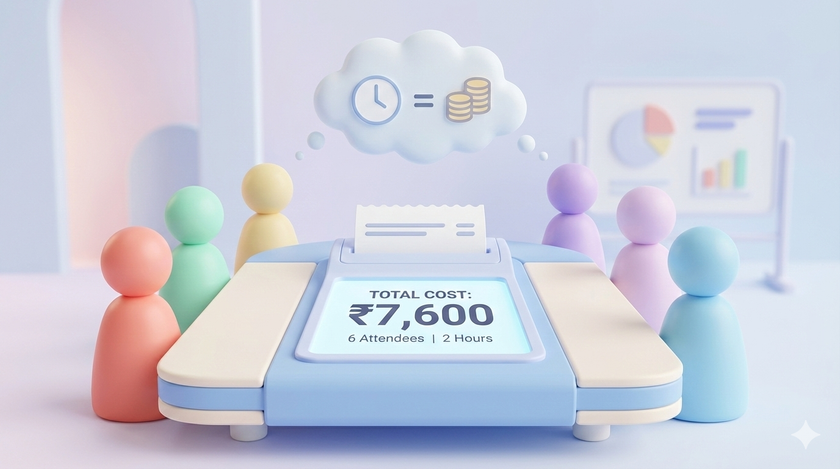
This Script Tells You Exactly How Much Money That Meeting Cost
A client called. They are upset. The delivery was wrong. Within 10 minutes, 6 people are in the conference room. You. The sales head. The operations manager. The warehouse supervisor. The dispatch coordinator. The accounts person (because there might be a credit note). Two hours later, the issue is resolved.
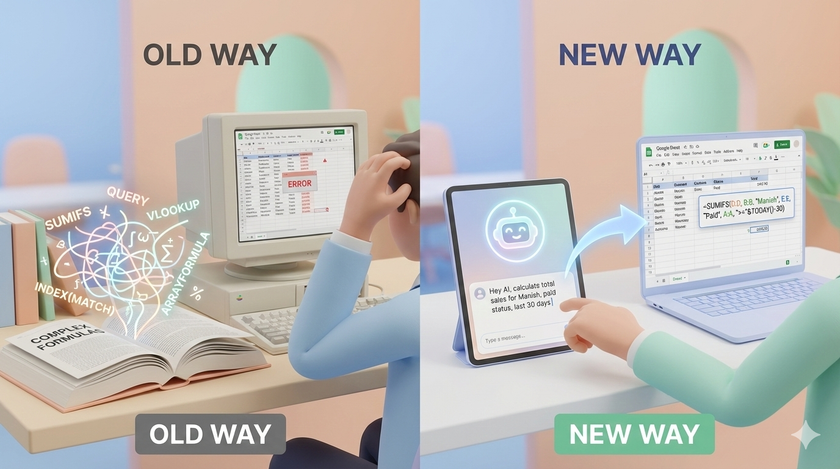
You Do Not Need to Learn Formulas. You Need to Learn How to Ask.
You want a formula that calculates the total sales for each salesperson, but only for orders above ₹10,000, and only for the last 30 days. You open Google. You search. You find SUMIF. Then you realize you need SUMIFS. Then you realize you need to combine it with a
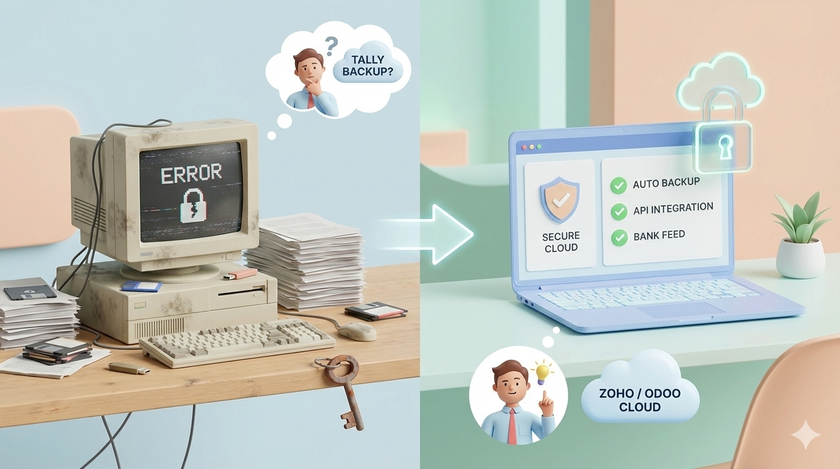
Your Most Sensitive Data Sits on Your Least Secure Computer
Think about what is on your accountant's computer. Bank login credentials. GST portal access. Balance sheets. Profit and loss statements. Salary details of every employee. Vendor payment records. Client invoices going back years. Now think about that computer. Old Windows. Never updated. Pirated software. Antivirus expired three years
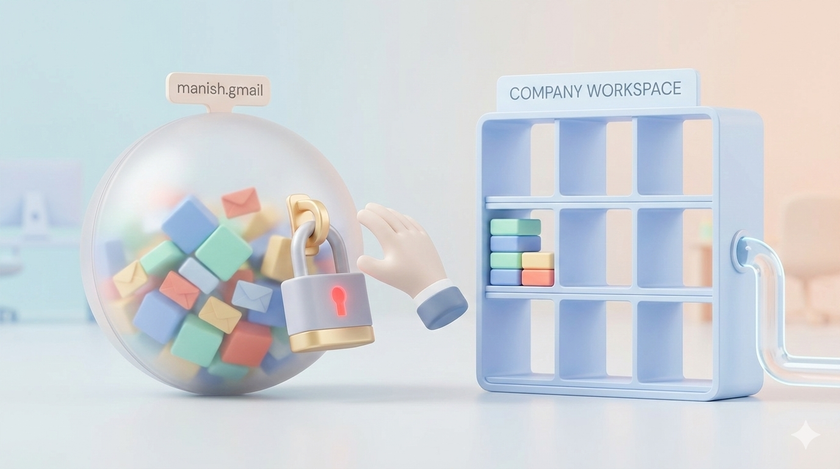
Your Employee's Personal Gmail Is Holding Your Company Data Hostage
Your sales guy Manish has been with you for 3 years. He uses [email protected] for everything. Client communication. Quotations. Purchase orders. Vendor contacts. One day Manish resigns. Joins a competitor. All those client emails? Gone with Manish. All those quotations? Gone with Manish. All those vendor contacts?
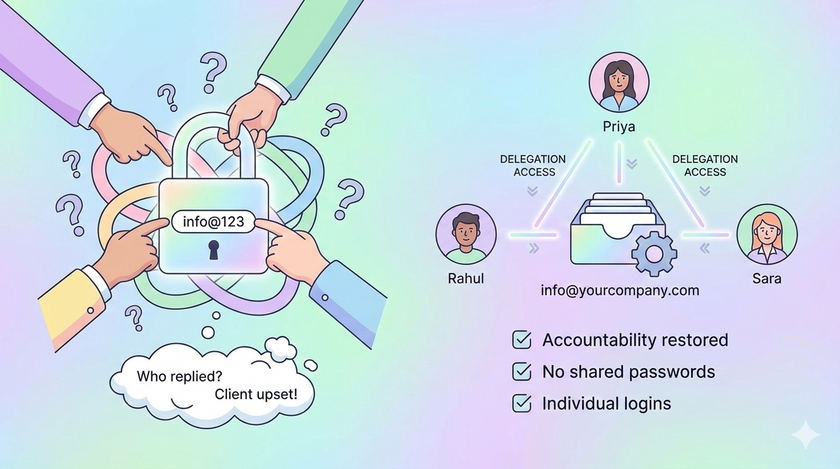
When Everyone Has the Password, No One Is Responsible
You have an info@ email. Or sales@. Or support@. Five people use it. They all know the password. Someone replied to a client yesterday. You do not know who. The client is upset. No one remembers sending that email. Sound familiar? The real problem When five people share one password,
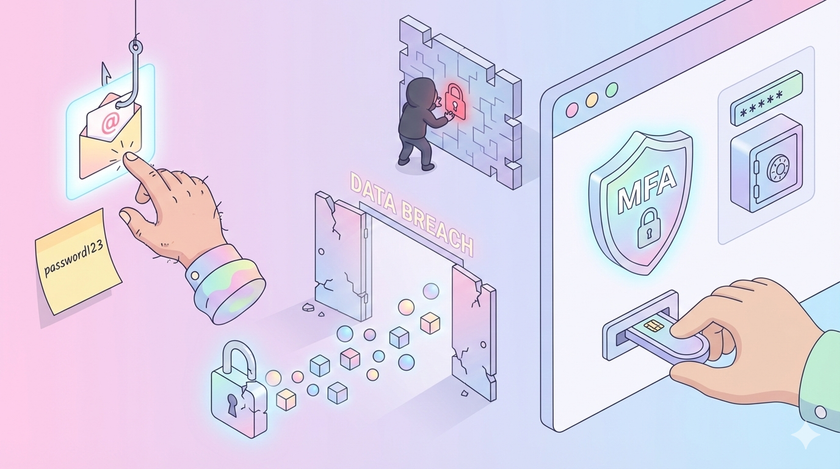
Your Biggest Security Risk Is Not Hackers
Most business owners think about security the wrong way. They imagine hackers in dark rooms, running sophisticated attacks. They assume their business is too small to be a target. Or they believe security requires expensive software and dedicated IT teams. The data tells a different story. Where breaches actually come
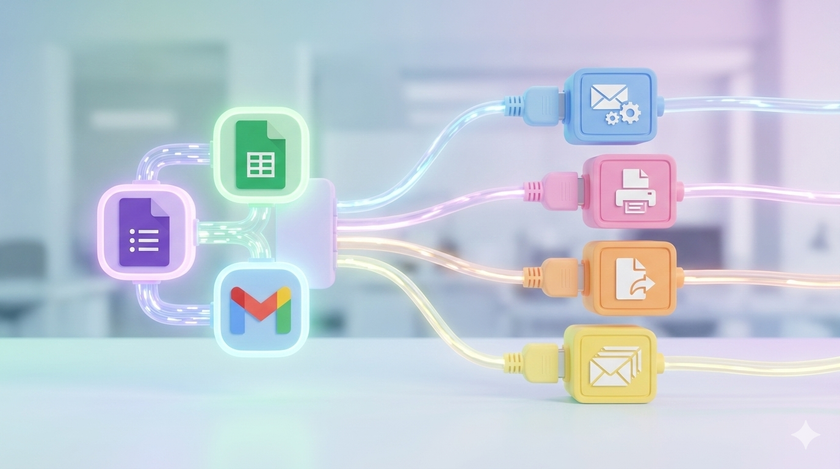
When Forms and Sheets Are Not Enough
You have built your first system. Google Forms collects data. Google Sheets stores it. Formulas summarize it. Your team can see the numbers in real time. This is already more than most businesses have. But soon you will hit a wall. Someone fills your feedback form. You want to send
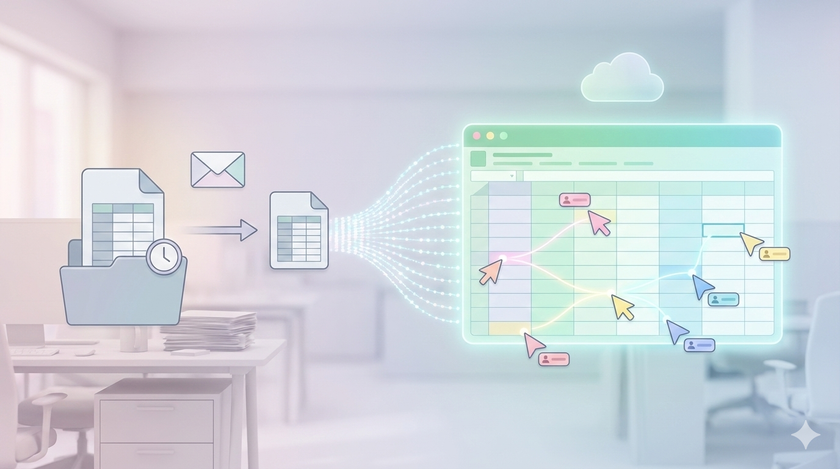
Working on the Same Sheet at the Same Time
This is where Google Sheets becomes fundamentally different from Excel. In Excel, a file lives on someone's computer. If you want to work on it, you need a copy. If two people need to update it, one person works on it first, saves it, emails it to the
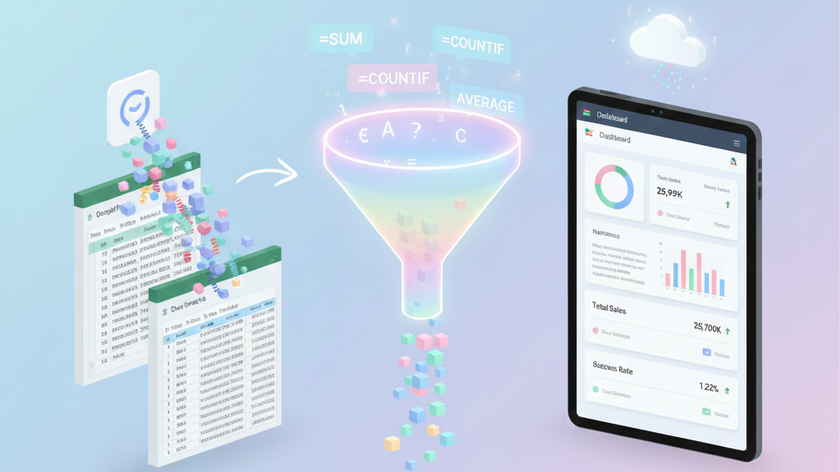
Five Formulas That Run Your Reports
You do not need to learn a hundred formulas. You need five. These five formulas will cover 90% of what you want to track. Total sales. Number of orders. Average deal size. Complaints by category. Performance by salesperson. All of it comes down to counting and adding, with or without
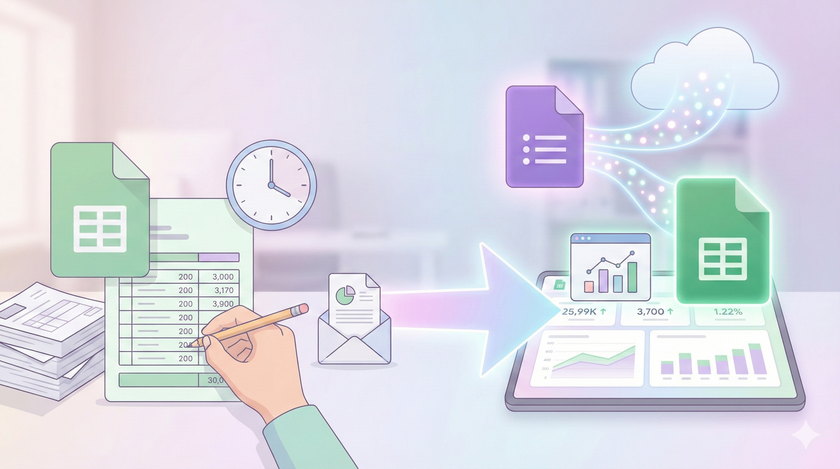
Your Reports Can Update Themselves
If you have been using Excel for years, this will feel strange at first. In Excel, you pull data from somewhere. You process it. You create a report. You email it to someone. Next week, you do the same thing again. And again. Every report is manual work. This is
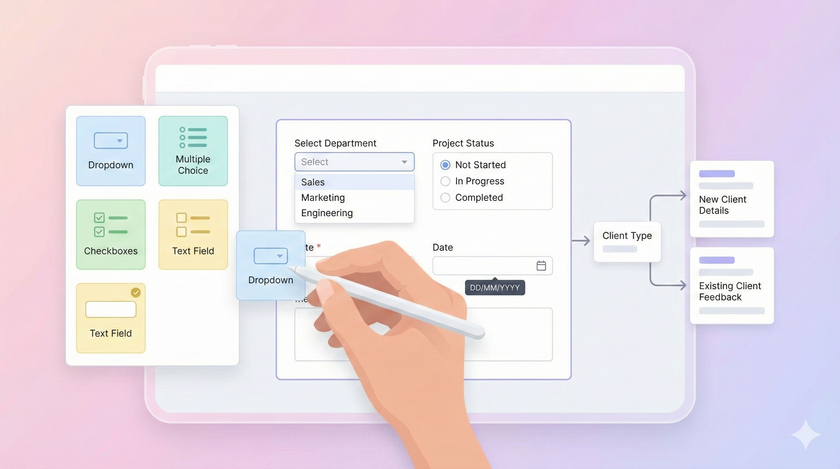
How to Design Google Forms That Collect Clean Data
You know what data to collect. You know how to make collection stick. Now it's time to build the form. This post is not a step-by-step tutorial on creating Google Forms. There are hundreds of YouTube videos for that. Search "Google Forms tutorial for beginners" and
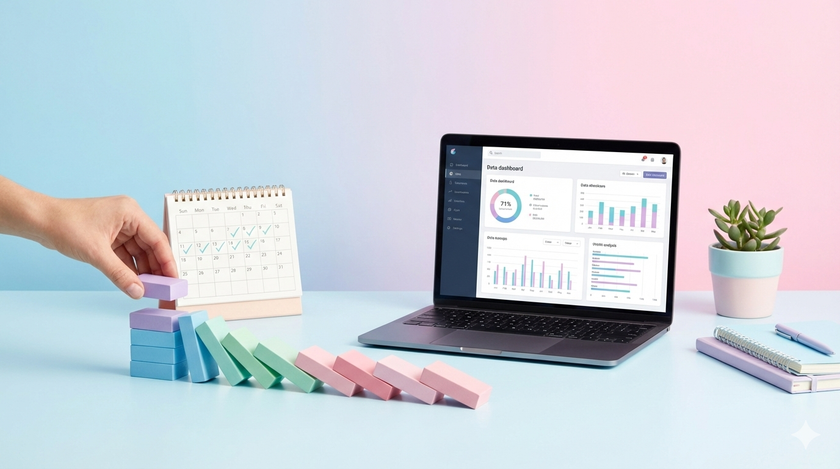
Part 2: How to Build Data Collection Habits That Stick
You've identified the problem. You've designed a simple form. You've explained why the data matters. People use it for a week. Then they forget. Then they stop. This is the real challenge. Why systems fail Data collection requires effort. Small effort, but effort nonetheless.